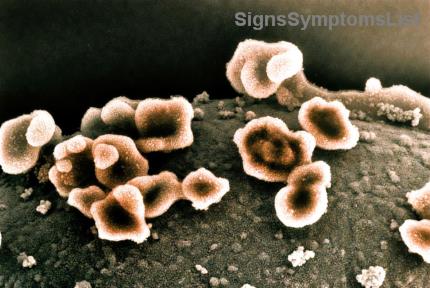
Receiving a diagnosis of lung cancer can feel overwhelming, but if it's caught early-stage—specifically Stage 1 or Stage 2—there's real reason for optimism. 🌟 Many patients in these phases achieve long-term remission or even a cure. In this guide, we'll dive into what makes early-stage lung cancer (Stage 1 & 2) curable, backed by the latest medical insights, and outline practical steps to navigate treatment. Whether you're facing this yourself or supporting a loved one, understanding these facts empowers you to take control and foster hope.

What Defines Early-Stage Lung Cancer (Stage 1 & 2)?
Early-stage lung cancer refers to tumors that haven't spread extensively. Stage 1 means the cancer is confined to the lung, typically small (less than 4 cm) and hasn't reached nearby lymph nodes. Stage 2 involves slightly larger tumors or minor spread to nearby structures or nodes, but it's still localized.
According to recent data from leading oncology organizations, early detection through low-dose CT scans has dramatically improved outcomes. The key? Stage 1 lung cancer often presents with no symptoms, making routine screenings vital for high-risk individuals like smokers or those over 50.
Imagine catching it before it grows—that's the power of early intervention. This staging, based on the TNM system (Tumor, Node, Metastasis), guides doctors in tailoring treatments that target the cancer precisely.
Is Early-Stage Lung Cancer Curable? The Encouraging Truth
Yes, early-stage lung cancer (Stage 1 & 2) is often curable, with survival rates that inspire confidence. For Stage 1 lung cancer, the 5-year survival rate exceeds 80-90% with appropriate treatment, per the most recent American Cancer Society reports. Stage 2 lung cancer follows closely at around 50-60%, depending on specifics like tumor size and patient health.
These aren't just numbers—they represent lives saved. Advances in precision medicine mean many patients live cancer-free for years post-treatment. Factors like quitting smoking and maintaining overall health boost these odds even further. If you're wondering, "Is lung cancer curable at this point?" the answer is a resounding yes for most cases when addressed promptly.
Proven Treatments for Stage 1 & 2 Lung Cancer: Your Path to Recovery
Treatment for early-stage lung cancer focuses on removal or destruction of the tumor while preserving lung function. Here's a breakdown of the most effective options:
- ⭐ Surgery: The gold standard for Stage 1 lung cancer. Procedures like lobectomy (removing a lung lobe) or segmentectomy offer cure rates over 90% for small tumors. Minimally invasive techniques, such as video-assisted thoracoscopic surgery (VATS), mean quicker recovery—often just weeks.
- ⭐ Stereotactic Body Radiotherapy (SBRT): Ideal for those not suitable for surgery, SBRT delivers high-dose radiation in few sessions. Recent studies show it matches surgery's success for Stage 1, with local control rates above 95%.
- ⭐ Targeted Therapy and Immunotherapy: For Stage 2 lung cancer with specific genetic markers (e.g., EGFR mutations), drugs like osimertinib target cancer cells precisely. Immunotherapies, such as pembrolizumab, harness your immune system, improving outcomes in adjuvant settings post-surgery.
- ⭐ Combination Approaches: In Stage 2, surgery followed by chemotherapy or radiation reduces recurrence risk by up to 30%.
These treatments are personalized based on genetic testing of the tumor, ensuring the best fit. The latest guidelines emphasize multidisciplinary care—oncologists, surgeons, and radiologists working together—for optimal results.
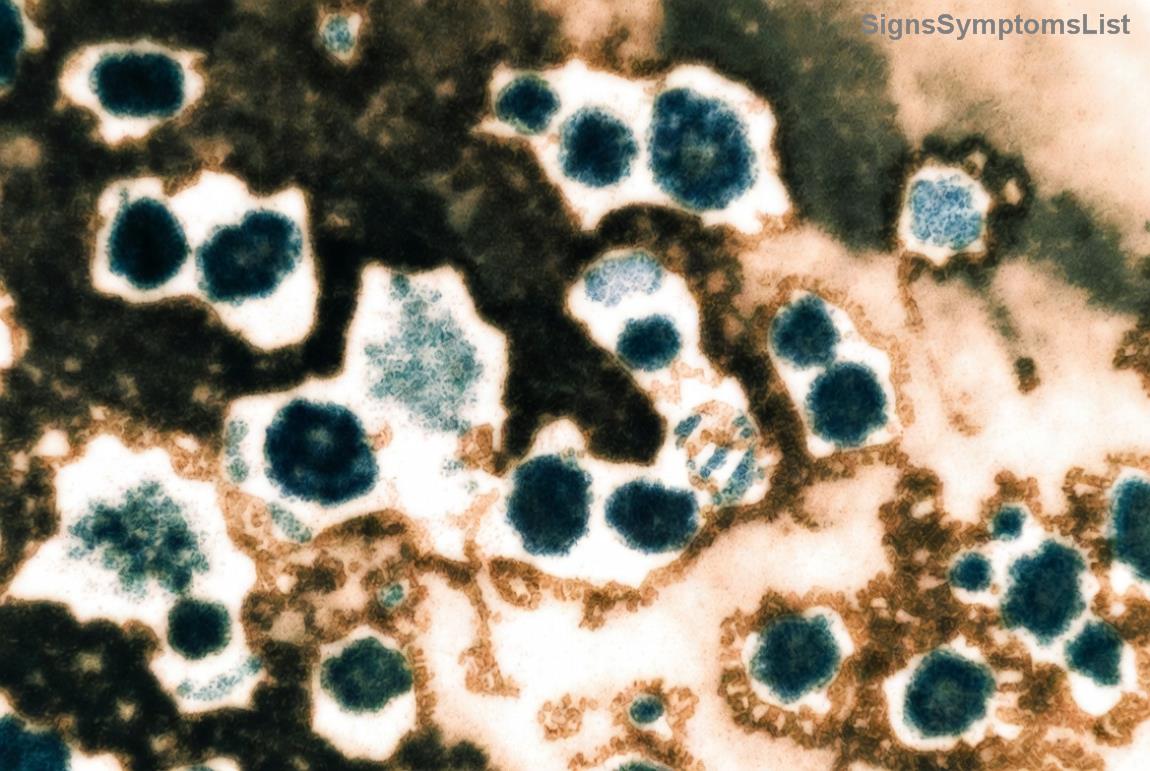
Success Stories: Real Hope from Early-Stage Lung Cancer Survivors
Behind the statistics are inspiring stories. Take John, a former smoker diagnosed with Stage 1 lung cancer during a routine scan. After a successful VATS lobectomy, he's back to hiking mountains, cancer-free five years later. Or Maria, whose Stage 2 tumor was treated with SBRT and targeted therapy; today, she advocates for early screening.
These narratives highlight that lung cancer treatment isn't just medical—it's transformative. Support groups and counseling play a huge role, helping patients maintain a positive outlook. Remember, early action turns daunting diagnoses into triumphs. 😊
Factors That Influence Curability and How to Optimize Them
While early-stage lung cancer (Stage 1 & 2) is highly treatable, outcomes depend on several factors:
| Factor |
Impact on Curability |
Actionable Steps |
| Tumor Characteristics |
Smaller, non-aggressive tumors (e.g., adenocarcinoma) respond best. |
Get biopsy and genetic testing early for targeted options. |
| Patient Health |
Strong lungs and heart improve surgery success. |
Quit smoking 🚭, exercise, and eat nutrient-rich foods pre-treatment. |
| Early Detection |
Boosts survival by 50%+ compared to later stages. |
Schedule annual low-dose CT if at risk—talk to your doctor. |
| Access to Care |
Timely, specialized treatment is key. |
Seek centers with expertise in thoracic oncology. |
By addressing these, you can tilt the scales in your favor. Lifestyle changes, like adopting a Mediterranean diet, have shown to enhance recovery and reduce recurrence in recent clinical trials.
Navigating Diagnosis: Steps to Confirm and Act on Early-Stage Lung Cancer
If symptoms like persistent cough or unexplained weight loss arise, don't delay. Start with:
- Consult a pulmonologist for imaging (CT/PET scans).
- Undergo biopsy to stage accurately—Stage 1 & 2 confirmation opens curative doors.
- Discuss a treatment plan with a team, including clinical trials for cutting-edge options.
For reliable info, check resources like the American Cancer Society or the American Lung Association. These sites offer up-to-date survival data and support tools.
Prevention and Ongoing Monitoring: Building a Cancer-Free Future
Prevention is your best ally. Avoid tobacco, limit exposure to radon and pollutants, and get vaccinated against respiratory infections. For survivors of early-stage lung cancer, regular follow-ups with scans every 6-12 months catch any issues early.
Emerging research in 2026 highlights AI-driven screenings and novel immunotherapies, promising even higher cure rates. Stay informed and proactive—your actions today shape tomorrow's health.
Final Thoughts: Embrace the Possibility of a Cure
Early-stage lung cancer (Stage 1 & 2) isn't a sentence—it's an opportunity for cure. With high survival rates, advanced treatments, and your active role in health management, the path forward is brighter than ever. Consult your healthcare team, lean on support networks, and hold onto hope. You've got this—one step at a time toward wellness. 👏
If this resonates, share your thoughts in the comments or explore related guides on lung cancer survival rates. Knowledge is power—keep reading and stay empowered.