Imagine receiving a diagnosis of aggressive Non-Hodgkin Lymphoma—a fast-growing form of blood cancer that strikes fear into the hearts of patients and families alike. But here's the encouraging truth: while it's a challenging battle, aggressive Non-Hodgkin Lymphoma is often curable, especially when caught early and treated aggressively. In this guide, we'll break down what this means for you, explore the latest advancements in treatment, and outline clear steps toward potential remission. If you're navigating this journey, know that hope is real, and many patients achieve long-term survival. Let's dive in.
Understanding Aggressive Non-Hodgkin Lymphoma: The Basics
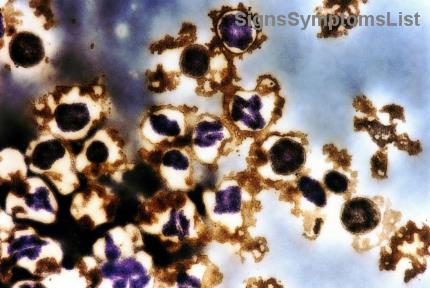
Non-Hodgkin Lymphoma (NHL) is a cancer of the lymphatic system, which is part of your body's immune defense. Unlike the slower-growing indolent types, aggressive Non-Hodgkin Lymphoma spreads quickly, often involving subtypes like diffuse large B-cell lymphoma (DLBCL), the most common form. Symptoms can include swollen lymph nodes, fever, night sweats, unexplained weight loss, and fatigue—signs that demand prompt attention.
Why does curability matter? According to recent data from leading oncology sources, about 60-70% of patients with aggressive NHL achieve complete remission with modern therapies. This isn't just statistics; it's a beacon of possibility for those facing the diagnosis. Early detection through imaging, biopsies, and staging (from I to IV) plays a pivotal role in improving outcomes.
Is Aggressive Non-Hodgkin Lymphoma Curable? The Answer Lies in Treatment
Yes, aggressive Non-Hodgkin Lymphoma is curable for a significant number of patients. Cure here means achieving sustained remission, where the cancer is undetectable and doesn't return. The key is a multi-pronged approach tailored to your specific subtype, stage, and overall health. Let's explore the proven strategies that have transformed this once-daunting disease into a manageable one.
1. Chemotherapy: The Cornerstone of Cure
🩺 Chemotherapy remains the frontline treatment for aggressive NHL. Regimens like R-CHOP (rituximab, cyclophosphamide, doxorubicin, vincristine, and prednisone) have revolutionized outcomes. Rituximab, a targeted monoclonal antibody, attacks cancer cells while sparing healthy ones, boosting cure rates to over 60% in early-stage cases.
Recent refinements include shorter cycles and personalized dosing, reducing side effects like nausea and hair loss. Many patients complete treatment in 6-8 cycles, emerging stronger with a clear path to normalcy.
2. Immunotherapy and Targeted Therapies: Precision Strikes
Advancements in immunotherapy have made Non-Hodgkin Lymphoma treatment more effective and less invasive. CAR-T cell therapy, where your own immune cells are engineered to hunt down lymphoma, offers hope for relapsed cases. In clinical trials from the latest studies, up to 50% of patients with refractory aggressive NHL achieve durable remissions.
Targeted drugs like ibrutinib or lenalidomide disrupt cancer cell signaling, often combined with chemo for synergistic effects. These options mean fewer hospital stays and more quality time reclaiming your life.
3. Radiation Therapy: Local Control for Lasting Remission
For localized aggressive Non-Hodgkin Lymphoma, radiation therapy zaps remaining cancer cells post-chemotherapy. It's quick—often just a few weeks—and has cure rates exceeding 80% when used in early stages. Modern techniques like intensity-modulated radiation therapy (IMRT) minimize damage to surrounding tissues, preserving your energy and vitality.
4. Stem Cell Transplants: A Second Chance at Cure
⭐ For high-risk or relapsed patients, autologous stem cell transplants (using your own cells) can be curative. Recent protocols show 5-year survival rates around 50-60%, with allogeneic transplants (from donors) offering even longer-term cures in select cases. It's intensive, but the payoff is life-changing remission.
Success Stories: Real Hope from Non-Hodgkin Lymphoma Cure Journeys
Meet Sarah, a 45-year-old teacher diagnosed with DLBCL in stage III. After six cycles of R-CHOP and radiation, she's cancer-free for years, back to inspiring her students. Or consider John, who faced relapse but turned to CAR-T therapy—now he's planning his retirement with family. These aren't anomalies; they're the norm for responsive patients. Sharing these stories reminds us that aggressive Non-Hodgkin Lymphoma remission is achievable, fueling emotional resilience during treatment.
Emotional well-being is crucial too. Support groups and counseling help combat the anxiety of diagnosis, turning fear into determination. Remember, you're not alone—millions have walked this path and emerged victorious.
Factors Influencing Curability: What Boosts Your Odds?
Not every case is identical, but certain factors tip the scales toward cure:
- Stage at Diagnosis: Stages I-II have cure rates up to 90%, dropping to 50-60% in advanced stages—but even then, innovations bridge the gap.
- Subtype and Genetics: DLBCL responds best, while testing for mutations (like MYC or BCL2) guides targeted therapies.
- Age and Health: Younger, fitter patients fare better, but older adults benefit from gentler regimens.
- Response to Initial Treatment: Quick shrinkage of tumors predicts long-term success.
To visualize treatment options and outcomes, here's a simple table summarizing key approaches:
| Treatment Type |
Best For |
Success Rate (Remission) |
Potential Side Effects |
| R-CHOP Chemotherapy |
Early to advanced stages |
60-70% |
Fatigue, nausea (manageable with meds) |
| CAR-T Immunotherapy |
Relapsed/refractory cases |
40-50% durable response |
Flu-like symptoms, monitored closely |
| Radiation Therapy |
Localized disease |
80%+ in combination |
Skin irritation, temporary tiredness |
| Stem Cell Transplant |
High-risk or relapse |
50-60% long-term cure |
Infection risk, recovery time |
This table highlights how versatile and effective these options are, empowering you to discuss them with your oncologist.
Steps to Take Toward Aggressive Non-Hodgkin Lymphoma Cure
Ready to act? Here's a focused roadmap:
- Seek Expert Care Immediately: Consult a hematologist-oncologist at a specialized center. Multidisciplinary teams ensure the best plan.
- Get Comprehensive Testing: PET scans, bone marrow biopsies, and genetic profiling pinpoint your exact needs.
- Adopt a Supportive Lifestyle: Nutrient-rich diets, light exercise, and stress reduction enhance treatment tolerance. 😊
- Monitor and Follow Up: Regular scans post-treatment catch any issues early, securing your remission.
- Explore Clinical Trials: For cutting-edge options, sites like ClinicalTrials.gov list trials that could offer breakthroughs.
By following these steps, you're not just treating the disease—you're building a foundation for lasting health.
Latest Advancements: The Future of NHL Cure
Research is accelerating. Bispecific antibodies and next-gen CAR-T therapies are showing promise in phase III trials, potentially pushing cure rates higher for even the toughest cases. Gene editing like CRISPR is on the horizon, targeting lymphoma at its roots. Stay informed through reputable sources like the Leukemia & Lymphoma Society, which updates on these developments.
While challenges like drug resistance exist, the trajectory is upward. Patients today benefit from therapies unimaginable a decade ago, proving that science and hope go hand in hand.
Embracing Hope: Your Journey to Remission
Facing aggressive Non-Hodgkin Lymphoma can feel overwhelming, but curability is within reach for many. With treatments like R-CHOP, immunotherapy, and transplants, remission isn't a distant dream—it's a realistic goal. Surround yourself with a strong support network, lean on medical experts, and hold onto the stories of those who've beaten the odds.
If this resonates, share your experiences in the comments below or consult your doctor today. You've got this—one step at a time toward a cancer-free future. 👏