If you've been searching for answers about Hodgkin Lymphoma, you're not alone. This type of cancer, which starts in the lymphatic system, can feel overwhelming at first. But here's the good news: when caught early, Hodgkin Lymphoma is often highly curable. In this article, we'll break down what that means, explore treatment options, and share empowering steps to guide you toward recovery. Stick with us—knowledge is your first step to hope.
Understanding Hodgkin Lymphoma: What Makes It Different?
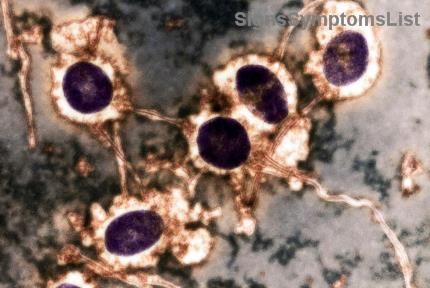
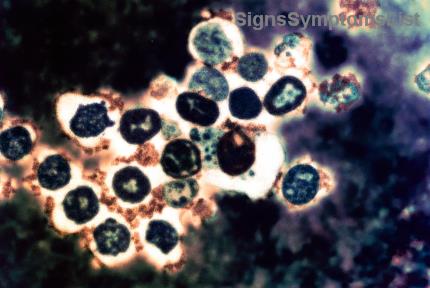
Hodgkin Lymphoma (HL) is a cancer of the lymphatic system, the network that helps your body fight infections. Unlike other lymphomas, it's characterized by Reed-Sternberg cells—large, abnormal cells that give doctors a clear path to diagnosis. What sets HL apart is its predictability and responsiveness to treatment, especially in the early stages.
Early-stage Hodgkin Lymphoma typically refers to stages I and II, where the cancer is confined to one or a few lymph node areas, often on the same side of the diaphragm. According to the latest guidelines from the American Cancer Society, about 70-80% of HL cases are diagnosed at these stages, making early detection a game-changer.
Why does this matter? Early diagnosis means less spread, simpler treatments, and higher chances of full remission. Imagine your body as a vigilant guard—catching HL early lets treatments work like a precise strike, restoring balance without widespread disruption.
Is Hodgkin Lymphoma Curable in Early Stages? The Encouraging Truth
Yes, Hodgkin Lymphoma is curable in early stages for the vast majority of patients. Recent data from the National Cancer Institute shows cure rates exceeding 90% for stage I and II HL with standard therapies. Cure here means long-term remission—no evidence of disease for five years or more post-treatment.
What fuels this optimism? Advances in targeted therapies and precision medicine have boosted outcomes. For instance, combining chemotherapy with radiation has become a cornerstone, achieving complete responses in over 95% of early cases. If you're facing this diagnosis, know that survival rates have improved steadily, with many patients returning to full, active lives.
🩺 Key Fact: Unlike advanced stages, early Hodgkin Lymphoma rarely requires aggressive interventions, minimizing side effects and maximizing quality of life during recovery.
Recognizing Early Stage Hodgkin Lymphoma Symptoms: Spot It Sooner
Early detection is your superpower against Hodgkin Lymphoma. Common symptoms include painless swelling of lymph nodes in the neck, armpits, or groin—often the first sign. You might also notice persistent fatigue, unexplained weight loss, night sweats, or a mild fever that comes and goes.
These signs can mimic infections, so don't ignore them. A simple biopsy confirms HL, and staging tests like PET-CT scans pinpoint if it's early stage. The emotional weight of symptoms can be heavy, but recognizing them early opens doors to curative paths. Many who've walked this road share stories of relief upon diagnosis—it's the start of effective action.
Treatment Options for Early Stage Hodgkin Lymphoma: A Path to Cure
Treating early stage Hodgkin Lymphoma is straightforward and effective. The gold standard is ABVD chemotherapy (Adriamycin, Bleomycin, Vinblastine, Dacarbazine), often given in 2-4 cycles. For favorable cases, this alone can cure the disease.
If needed, low-dose radiation targets affected areas, reducing recurrence risk without long-term harm. Emerging options like Brentuximab vedotin—a targeted antibody-drug conjugate—offer gentler alternatives for those concerned about side effects.
Here's a quick overview of typical treatments:
| Stage |
Primary Treatment |
Cure Rate |
Duration |
| Stage I |
2 cycles ABVD + optional radiation |
95-100% |
3-6 months |
| Stage II |
4 cycles ABVD ± radiation |
90-95% |
4-8 months |
These approaches are tailored to your health, age, and risk factors. Side effects like temporary fatigue or nausea are manageable with supportive care, and most resolve post-treatment. The journey isn't always easy, but the end goal—a cure—is within reach, bringing back energy and joy.
Success Stories and Real-Life Recovery from Hodgkin Lymphoma
Behind the statistics are inspiring stories. Take Sarah, diagnosed with stage I HL in her 20s: after four cycles of chemo, she rang the bell at her treatment center and ran her first marathon a year later. Or Mike, a father of two with stage II, who combined treatment with mindfulness practices and now advocates for early screening.
These tales highlight resilience. Recent studies, including those from the Lymphoma Research Foundation, show that 80% of early-stage survivors report excellent quality of life five years out. Factors like a positive mindset, support networks, and healthy habits amplify recovery. You're not just surviving—you're thriving.
Steps to Take If You Suspect Early Stage Hodgkin Lymphoma
1️⃣ See a Specialist: Consult a hematologist-oncologist for evaluation. Early action can mean curative treatment over management.
2️⃣ Get Screened: If symptoms persist, request imaging and biopsy. Knowledge empowers you.
3️⃣ Build Your Support: Join communities like the Leukemia & Lymphoma Society for resources and encouragement. Sharing lightens the load.
4️⃣ Focus on Wellness: Maintain nutrition, light exercise, and mental health practices. These bolster your body's fight and speed healing.
Post-treatment, regular follow-ups ensure lasting remission. Long-term, avoid risks like smoking to stay cancer-free.
Why Early Detection Saves Lives in Hodgkin Lymphoma
In the battle against Hodgkin Lymphoma, timing is everything. Early stages offer cure rates that rival few other cancers, thanks to our deepening understanding of the disease. Research into immunotherapy, like PD-1 inhibitors, promises even better outcomes for residual cases.
For more in-depth info, check out trusted resources: American Cancer Society on Hodgkin Lymphoma or National Cancer Institute Treatment Guidelines.
Facing early stage Hodgkin Lymphoma might feel daunting, but it's a highly curable condition with modern medicine on your side. Armed with this knowledge, you're equipped to seek timely care and embrace recovery. Remember, many have walked this path and emerged stronger. What's your next step? Consult a doctor today—hope starts with action. Stay positive; brighter days are ahead. 👏