As a caregiver for a young adult facing Hodgkin Lymphoma, you're stepping into one of the most challenging yet profoundly rewarding roles imaginable. This Supporting a Young Adult Through Hodgkin Lymphoma: A Caregiver’s Manual is designed to equip you with actionable insights, emotional guidance, and practical tools. Hodgkin Lymphoma, a cancer of the lymphatic system, affects thousands of young adults annually, but with early detection and modern treatments, survival rates exceed 85% for most cases. Your support can make all the difference in their journey toward recovery.
In this guide, we'll explore everything from understanding the disease to fostering resilience, ensuring you feel empowered rather than overwhelmed. Let's dive in, step by step, to help your loved one—and you—navigate this path with hope and strength.
Understanding Hodgkin Lymphoma in Young Adults
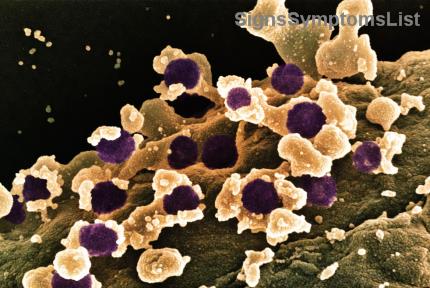
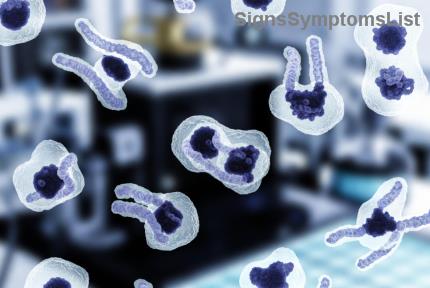
Hodgkin Lymphoma (HL) is a type of blood cancer that originates in the white blood cells of the lymphatic system. It's particularly common in young adults aged 15-40, often presenting with painless swelling of lymph nodes in the neck, armpits, or groin. Other symptoms include persistent fatigue, unexplained weight loss, fever, night sweats, and itching. Unlike more aggressive cancers, HL is highly treatable, especially when caught early.
Recent advancements have revolutionized Hodgkin Lymphoma treatment. According to the latest guidelines from the National Comprehensive Cancer Network (NCCN), standard care involves chemotherapy regimens like ABVD (Adriamycin, Bleomycin, Vinblastine, Dacarbazine), often combined with radiation for localized disease. For relapsed cases, immunotherapy drugs such as brentuximab vedotin or checkpoint inhibitors like nivolumab offer promising outcomes. Survival rates for early-stage HL now approach 90-95%, with ongoing research focusing on minimizing long-term side effects like infertility and heart risks.
As a caregiver, grasping these basics demystifies the process. Encourage your loved one to discuss their staging (I-IV) and personalized plan with their oncologist. Remember, knowledge is your first line of defense— it reduces fear and builds a foundation for proactive support.
The Emotional Landscape: Providing Heartfelt Support
Young adults with Hodgkin Lymphoma often grapple with unique emotional challenges: disrupted education, career ambitions, relationships, and body image concerns. Your role isn't to "fix" everything but to be a steady presence. Start by listening without judgment—let them express fears about hair loss from chemo or anxiety over fertility preservation.
- 👐 Validate Their Feelings: Phrases like "This sounds really tough—I'm here with you" can ease isolation.
- 💡 Foster Open Communication: Schedule regular check-ins, perhaps over a favorite coffee, to discuss treatment updates and daily wins.
- ⭐ Encourage Professional Help: Suggest therapy or support groups tailored for young adults, such as those from the Lymphoma Research Foundation.
Don't forget self-care for yourself. Caregiving can lead to burnout, so join caregiver support networks. Sharing stories with others in similar situations reminds you that you're not alone, turning vulnerability into collective strength.
Practical Caregiving Strategies During Treatment
Supporting a young adult through Hodgkin Lymphoma treatment requires hands-on involvement. Treatment cycles can be grueling, with chemo sessions lasting hours and side effects like nausea or neuropathy peaking afterward. Here's how to make it manageable:
| Treatment Phase |
Caregiver Tips |
Potential Challenges |
| Diagnosis & Planning |
Attend appointments; take notes on options like PET scans for staging. |
Overwhelm from medical jargon—ask for glossaries. |
| Chemotherapy |
Prepare anti-nausea meds, easy meals, and rest spaces. Track symptoms in a journal. |
Fatigue and infections—monitor for fever >100.4°F and insist on hand hygiene. |
| Radiation/Immunotherapy |
Help with skin care for radiation burns; schedule rides to infusions. |
Skin irritation or infusion reactions—keep cool compresses handy. |
| Post-Treatment Recovery |
Promote light exercise like walking; celebrate milestones like scan results. |
Survivor's guilt or "scanxiety"—plan fun distractions. |
These strategies keep things organized and focused. For instance, during chemo, stock up on ginger tea for nausea—a simple, evidence-based remedy endorsed by the American Cancer Society. Your attentiveness can turn hospital days into manageable routines, helping them reclaim normalcy.
Navigating Lifestyle and Long-Term Wellness
Beyond treatment, supporting a young adult through Hodgkin Lymphoma means addressing holistic needs. Nutrition plays a key role—focus on high-protein, nutrient-dense foods to combat weight loss, like smoothies with Greek yogurt and berries. Exercise, even gentle yoga, boosts mood and energy, as supported by recent studies in the Journal of Clinical Oncology.
Financial and social hurdles are real too. Help research assistance programs from organizations like CancerCare, which offer grants for young adults. Reintegrating into work or school? Advocate for accommodations, such as flexible hours, to ease the transition.
Long-term, watch for secondary effects like thyroid issues or emotional resilience building. Encourage annual check-ups and mental health check-ins. By prioritizing wellness, you're not just surviving the disease—you're thriving beyond it.
Building a Support Network and Self-Care
You can't pour from an empty cup. As a caregiver, assemble your team: family, friends, or online communities like those on Reddit's r/lymphoma. Delegate tasks— one handles meals, another drives to appointments—to prevent exhaustion.
Practice self-care daily: a short walk, journaling, or mindfulness apps. If emotions run high, professional counseling can help process the "caregiver guilt" many feel. Remember, your well-being directly impacts their journey.
For deeper resources, explore the American Cancer Society's Hodgkin Lymphoma page or the Leukemia & Lymphoma Society for up-to-date treatment info and support tools.
Looking Ahead: Hope and Resilience
Supporting a young adult through Hodgkin Lymphoma is a testament to your love and strength. With treatments advancing rapidly—think targeted therapies reducing side effects— the future is brighter than ever. Celebrate small victories, like a clear scan or a laugh-filled day, and hold onto the fact that many survivors lead vibrant lives post-recovery.
This manual is your starting point, but your intuition as a caregiver is invaluable. Keep adapting, stay connected, and know that together, you're building a story of triumph. If you're reading this, you're already making a world of difference—keep going.
Ready to take the next step? Share your experiences in the comments below or reach out to a support group today. Your journey matters.