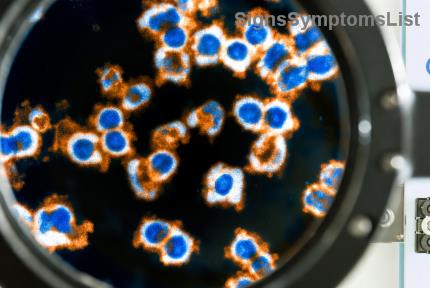
Receiving a diagnosis of acute myeloid leukemia (AML) can feel overwhelming, but it's natural to wonder: Is AML curable in adults? The short answer is yes—for many adults, AML is not only treatable but can lead to long-term remission and even a cure. With advances in medical science, survival rates have improved significantly, offering real hope. In this guide, we'll break down what AML is, current treatment options, success stories, and practical steps to navigate your journey toward recovery. Let's dive in and explore how modern therapies are transforming outcomes for adults with AML.
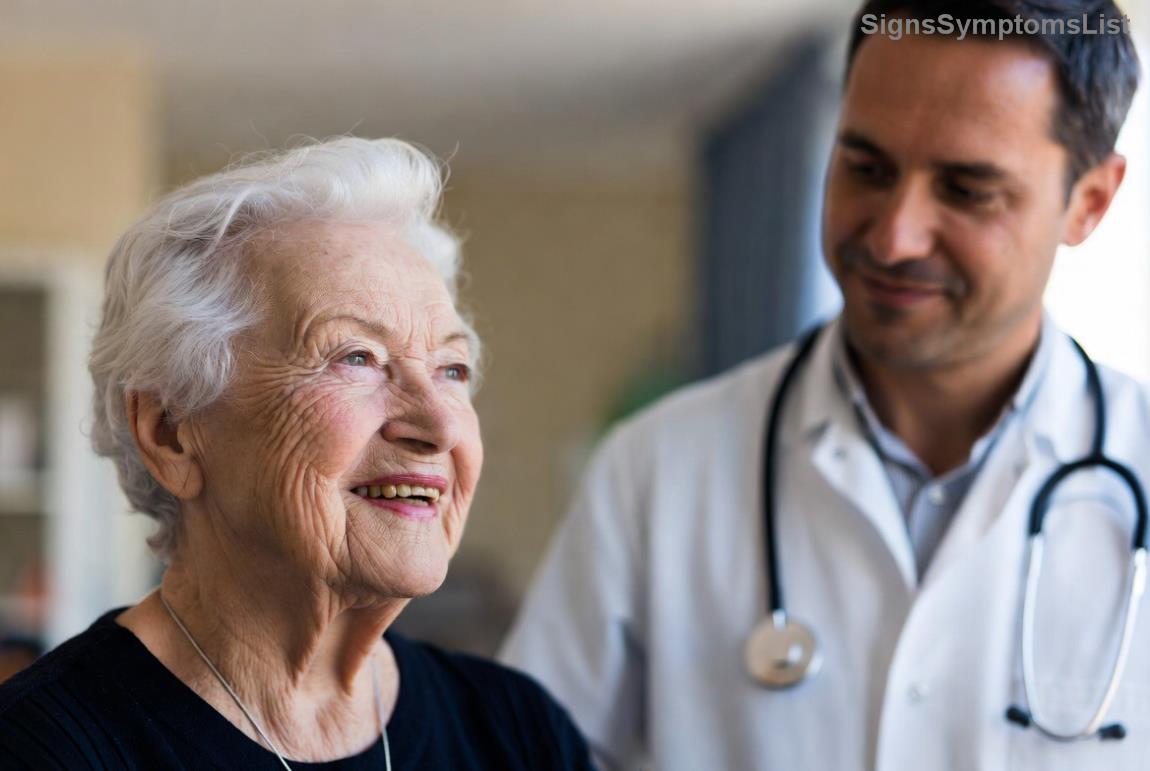
Understanding Acute Myeloid Leukemia (AML): A Quick Overview
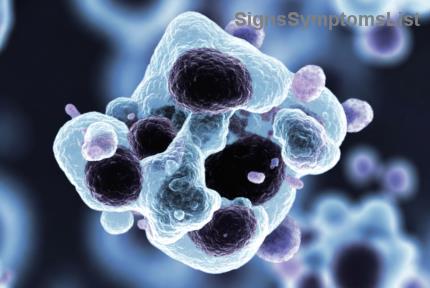
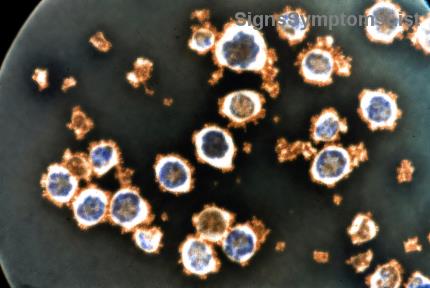
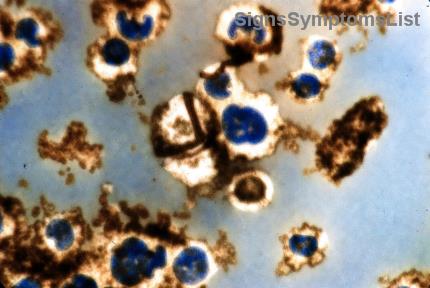
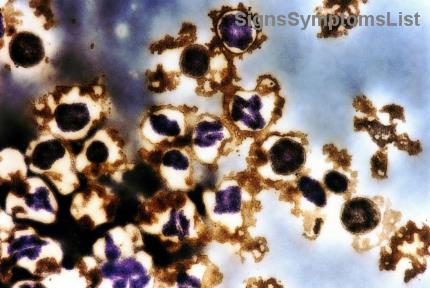
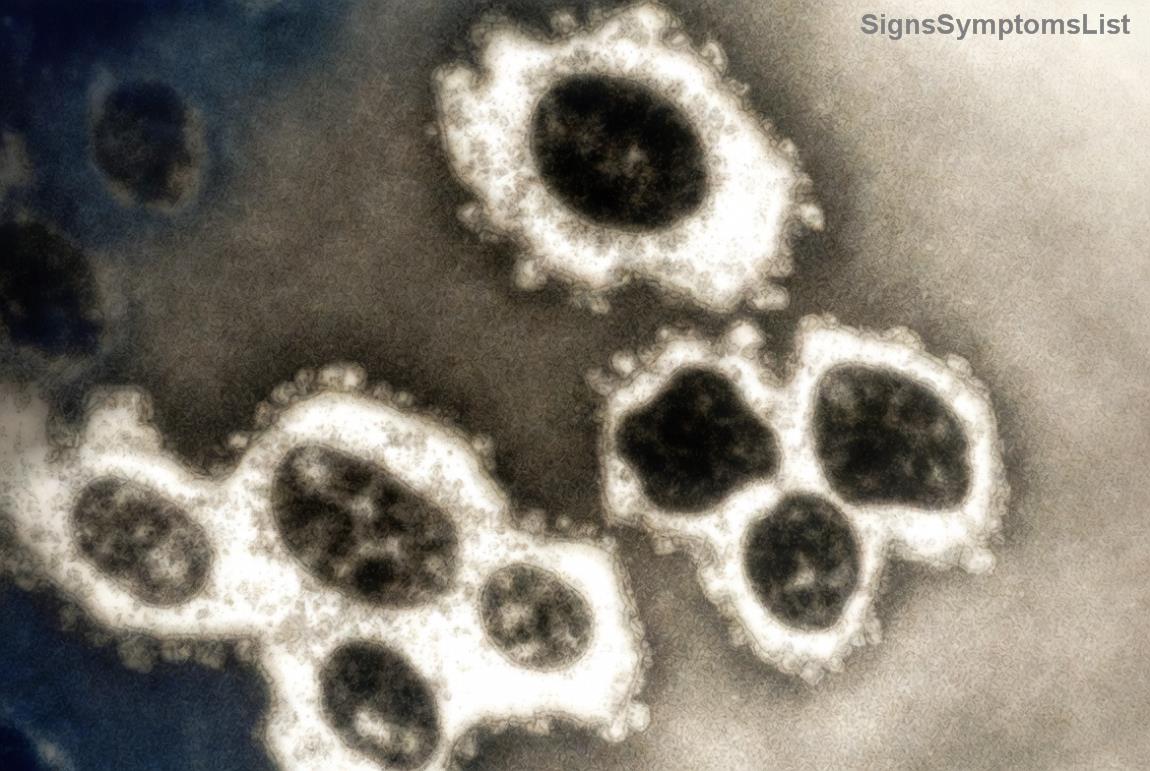
Acute myeloid leukemia (AML) is a fast-progressing cancer of the blood and bone marrow, where immature white blood cells called myeloblasts multiply uncontrollably. This crowds out healthy blood cells, leading to symptoms like fatigue, frequent infections, easy bruising, and shortness of breath. In adults, AML often strikes those over 65, but it can affect anyone.
The good news? AML is highly responsive to treatment in many cases. Unlike chronic leukemias that simmer slowly, AML's acute nature means aggressive intervention can yield quick results. Recent studies show that about 60-70% of adults under 60 achieve complete remission with initial therapy, and even older patients are seeing better outcomes thanks to targeted drugs.
Why does curability matter? Because remission isn't just survival—it's a return to normal life. Imagine reclaiming energy for family, work, or hobbies. That's the emotional uplift we're focusing on here: empowerment through knowledge.
Current Treatments: How AML Becomes Curable in Adults
Treatment for acute myeloid leukemia (AML) typically involves two phases: induction to blast away cancer cells and consolidation to prevent relapse. Here's a focused look at the options that make AML curable.
1. Chemotherapy: The Foundation of AML Remission
Standard chemotherapy remains the cornerstone. Drugs like cytarabine and anthracyclines are administered in cycles, often in a hospital setting. For younger adults, this approach achieves remission in up to 80% of cases. Even for those over 60, low-intensity chemo combined with newer agents boosts success rates to 50-60%.
🩸 Tip: Staying hydrated and managing side effects with supportive care can make this phase more bearable, keeping your spirits high.
2. Targeted Therapies: Precision Medicine for AML
Recent breakthroughs have introduced targeted drugs that attack specific AML mutations, like FLT3 or IDH1/2. For instance, midostaurin (Rydapt) for FLT3-positive AML has improved 5-year survival from 20% to over 50% in eligible patients. Venetoclax, combined with low-dose chemo, has revolutionized care for older adults, offering remission without the intensity of traditional regimens.
These therapies are game-changers because they minimize damage to healthy cells, reducing side effects and speeding recovery. If your AML has a targetable mutation—found via genetic testing—you could see faster, more durable results.
3. Stem Cell Transplant: The Path to a Potential Cure
For high-risk AML or relapsed cases, hematopoietic stem cell transplant (HSCT) offers the best shot at a cure. In this procedure, high-dose chemo wipes out the marrow, and healthy stem cells from a donor (allogeneic) or yourself (autologous) rebuild it. Recent data indicates that allogeneic transplants cure 40-60% of adults who undergo them, especially if done in first remission.
Success depends on factors like donor match and your overall health, but outcomes have soared with better matching techniques and post-transplant drugs to prevent graft-versus-host disease. It's intensive, but survivors often describe it as a "reset button" for life.
4. Emerging Options: Immunotherapy and Clinical Trials
Immunotherapies like bispecific antibodies (e.g., flotetuzumab) and CAR-T cell therapy are on the horizon, showing promise in trials for relapsed AML. Participation in clinical trials can access these cutting-edge treatments, potentially turning incurable cases curable. Check resources like NCI's clinical trials database for opportunities tailored to adult AML.
These innovations mean that even if standard treatments fall short, hope persists. Many patients find emotional strength in being part of research that helps others too.
Success Rates: Real Numbers Behind AML Curability
To address Is AML curable in adults? let's look at the data. Overall, the 5-year survival rate for adult AML has climbed to around 30% across all ages, but it's much higher for specific groups:
| Age Group |
Remission Rate |
5-Year Survival Rate |
Key Factors for Success |
| Under 60 |
70-80% |
40-50% |
Intensive chemo + transplant |
| 60-75 |
50-60% |
20-30% |
Targeted therapies like venetoclax |
| Over 75 |
30-50% |
10-20% |
Low-intensity options + supportive care |
These figures, drawn from the latest American Cancer Society reports, highlight that curability is very much achievable, especially with early detection and personalized plans. Factors like cytogenetic profile (e.g., favorable vs. adverse risk) play a role—favorable-risk AML has over 70% cure rates post-treatment.
Remember, statistics are averages; individual stories often exceed them. One patient shared, "I beat AML at 55 with a transplant—now I'm hiking mountains again!" Such testimonials fuel optimism.
Factors Influencing AML Curability and How to Optimize Them
Not every AML case is the same, but you can influence outcomes. Here's how:
- Early Diagnosis: Symptoms like unexplained anemia? Seek prompt testing. Genetic profiling at diagnosis guides the best therapy.
- Healthy Lifestyle: Before and after treatment, nutrition, light exercise, and stress management support recovery. Foods rich in antioxidants can aid bone marrow health.
- Multidisciplinary Care: Work with hematologists, oncologists, and support teams. Centers like MD Anderson or Mayo Clinic specialize in AML, offering comprehensive plans.
- Mental Resilience: Join support groups via the Leukemia & Lymphoma Society. Sharing experiences builds emotional strength, turning fear into determination. 😊
Addressing these can tip the scales toward cure. For relapsed AML, salvage therapies like azacitidine plus venetoclax achieve second remissions in 40-50% of cases, proving resilience pays off.
Life After AML: Thriving in Remission
Achieving remission is just the start. Long-term survivors focus on monitoring (regular blood tests) and preventing relapse with maintenance drugs. Many return to work within months, enjoying fuller lives. Vaccinations and infection prevention become key, but the freedom from AML's grip is profound.
👏 Celebrate milestones: each clear scan is a victory. Resources like Leukemia & Lymphoma Society provide tools for post-treatment wellness.
Your Next Steps: Finding Hope and Solutions for AML
So, is acute myeloid leukemia (AML) curable in adults? Absolutely—through a blend of proven treatments, innovative therapies, and personal determination, many achieve lasting remission. Consult a specialist to map your path; genetic testing could unlock tailored options right away.
You're not alone on this journey. With these strategies, AML doesn't define your future—it becomes a chapter you overcome. Stay informed, stay connected, and hold onto hope. What's one step you'll take today?
For personalized advice, always consult your healthcare provider. This article draws from the most recent guidelines from trusted sources like the National Cancer Institute and American Society of Hematology.