Home
» Stomach - Digestion
»
Why Bloating Can Feel Worse by Evening Even If Breakfast Was Fine
Why Bloating Can Feel Worse by Evening Even If Breakfast Was Fine
It is possible to feel comfortable after breakfast and noticeably bloated by evening. Symptoms may build across several meals, reflect swallowed air or constipation, or involve how sensitive the gut is to normal digestive activity. The timing alone cannot identify a food or diagnose a condition.
For illustration only, imagine Lena, a fictional person who feels fine in the morning but notices abdominal fullness after dinner. This is a made-up example, not a patient story or a real observation. It gives us a practical way to think about what to track, what not to assume, and when to seek medical advice.
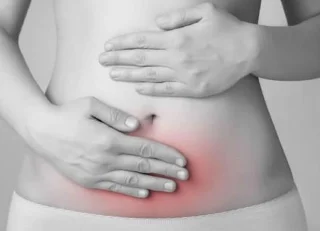
An illustrative evening scene: a person notices abdominal fullness after a meal and has a notebook nearby to track timing and symptoms.
What does “bloating” mean?
Bloating is a feeling of fullness, pressure, tightness, or swelling in the abdomen. Distention means the abdomen visibly or measurably becomes larger. They can occur together, but they are not identical. A person may feel bloated without seeing a change in abdominal size, and visible distention is not proof that excess gas is the only cause.
The American Gastroenterological Association (AGA) notes that digestive sensitivity, movement of food, abdominal muscle coordination, and other factors can contribute; bloating is not always caused by “too much gas.” For Lena, first describing the sensation—pressure, fullness, visible swelling, or pain—would be more useful than assuming what is happening inside. The AGA’s patient guide to belching, bloating, and abdominal distention was reviewed in August 2026 and draws on its 2023 clinical practice update.
Why might symptoms increase as the day goes on?
Several common patterns can make bloating more noticeable later in the day. They may overlap, and none can be confirmed from the clock or one meal alone.
More food and drink have accumulated over the day. Breakfast may be smaller or eaten more slowly than lunch or dinner. Portions, meal timing, and what is eaten can vary from one meal to the next. A fuller abdomen after a larger meal does not, by itself, show that a particular ingredient is intolerable.
Gas can form after digestion is underway. Some carbohydrates are not fully digested in the small intestine. When they reach the large intestine, bacteria break them down and produce gas. That means symptoms do not always appear at the moment a food is eaten. NIDDK lists gas, bloating, and distention among common digestive symptoms and notes that gas can occur during or after meals. Read its overview of gas symptoms and causes.
Swallowed air may add to discomfort. Eating or drinking quickly, chewing gum, talking while eating, or drinking carbonated beverages can increase swallowed air for some people. A calm breakfast and a rushed lunch could feel different even if the foods are similar.
Constipation can contribute. Less frequent bowel movements, hard stools, straining, or a feeling that stool has not fully passed can accompany bloating. Bowel habits and daily routines can change; constipation can have several causes, including some medicines. Note any change rather than assuming it explains everything.
Gut sensitivity and other digestive factors vary. Some people feel discomfort from ordinary digestive activity or normal amounts of gas. Certain digestive conditions, food intolerances, or hormonal changes around a menstrual period may matter for some people. These possibilities require context and, when appropriate, clinical assessment.
For Lena, a symptom that appears after dinner does not prove breakfast was irrelevant, nor does it prove dinner caused it. Earlier food may be involved, later meals may differ in size or pace, bowel habits may matter, or the timing may be coincidental. The useful next move is to look for a repeatable pattern over time.
How can you look for a pattern without overreacting?
If symptoms are mild and occasional and no warning signs are present, keep a brief diary for several days. Record approximate meal and symptom times, meal size, fizzy drinks, how quickly you ate, bowel movements, medicines or supplements, activity, and menstrual timing if relevant. Note whether you feel pressure only or also see swelling. You do not need to count every bite or create a restrictive diet.
NIDDK says a food-and-symptom diary may help a clinician or dietitian assess whether particular foods or drinks could be contributing. Lena might notice that symptoms tend to follow hurried, larger meals, or she might see no consistent connection. Either outcome is useful information. A pattern is a clue to discuss—not proof of a food intolerance or digestive disease.
Try one low-risk adjustment at a time, such as eating more slowly, avoiding a large fizzy drink, or choosing a smaller meal, and observe whether the pattern changes. Avoid cutting out many foods at once or starting a restrictive diet such as low-FODMAP without professional advice; the AGA recommends dietitian involvement when dietary modifications are needed. Do not stop a prescribed medicine on your own, even if you suspect it contributes.
Which assumptions should you avoid?
“Breakfast caused no problem, so food cannot be involved.” Symptoms can be delayed or relate to later meals, portion size, eating speed, or combinations across the day. Try this: record timing and meal details before drawing a conclusion.
“Evening bloating always means there is too much gas.” Bloating is a sensation; visible distention and gas are related but distinct. Gut sensitivity or bowel changes may also contribute. Try this: describe exactly what you feel and whether your abdomen visibly changes.
“A diary can diagnose the cause.” It cannot confirm IBS, intolerance, or another condition. Persistent symptoms may need a medical history, exam, and tests chosen for the situation. The AGA advises against routine imaging or endoscopy when there are no alarm features, recent worsening, or abnormal examination findings; a clinician decides whether testing is appropriate. Try this: bring the diary to a clinician rather than using it to label yourself.
When should bloating be checked by a clinician?
Arrange medical advice if bloating is frequent, does not go away, is getting worse, or interferes with daily life. Contact a clinician sooner when it occurs with unintentional weight loss, blood in the stool, persistent or severe abdominal pain, repeated vomiting, fever, appetite loss or feeling full unusually quickly, or a new abdominal lump or swelling. These symptoms do not establish a particular diagnosis, but they should not be explained away as “just gas.” The NHS bloating guidance recommends clinical review for recurring or persistent bloating and lists accompanying symptoms that need prompt attention.
Seek urgent medical care for sudden severe abdominal pain, vomiting blood, or severe difficulty breathing. If your abdomen is swollen and you cannot pass stool or gas, or you have ongoing pain with vomiting or fever, contact a clinician or urgent service promptly rather than waiting for a routine appointment. Emergency services and care pathways differ by location; use your local emergency number for a life-threatening problem. NIDDK also advises prompt medical attention when constipation occurs with constant abdominal pain, inability to pass gas, vomiting, fever, blood, or unexplained weight loss.
What should Lena—and you—take away?
In this fictional example, Lena can track when the fullness begins, what and how much she ate, how quickly she ate, bowel changes, and whether the feeling is subjective fullness or visible distention. If the pattern is occasional and mild, a short record and a modest, single change may help her prepare a clearer conversation. If symptoms persist, worsen, or come with warning signs, the next step is medical evaluation—not a longer list of foods to eliminate.
Evening bloating can happen despite a comfortable breakfast because digestion unfolds over time and the rest of the day may bring additional food, swallowed air, constipation, or other factors. The same timing can also have different explanations in different people. A symptom diary can show what to discuss, but a clinician is needed to assess persistent or concerning symptoms and decide whether testing or treatment is appropriate.