Pregnancy Protein Ideas When Meat and Eggs Trigger Nausea
Illustrative example: Maya is a fictional pregnant person. This example is not a patient story or a clinical test.
If meat and eggs suddenly trigger nausea, a pregnant person can still get protein from foods such as beans, lentils, tofu, soy foods, nuts, seeds, and pasteurized dairy if those foods are tolerated. The most practical approach is to stop forcing the trigger foods, choose a few protein sources that stay appealing, and spread them across small meals or snacks. The exact amount needed varies, so an obstetric clinician or prenatal dietitian can help personalize a target.
Maya, for example, finds that the smell of cooked meat and eggs turns her stomach, but cold yogurt and peanut butter crackers are manageable. She does not need to prove she can eat a particular food. She can use tolerated foods as a starting point, notice what changes over the day, and bring that information to her prenatal visit.
First, separate a food aversion from a nutrition problem
Pregnancy nausea and food aversions are common, and they can make familiar foods suddenly unappealing. Smell, temperature, texture, meal size, fatigue, and the timing of nausea may all affect what sounds tolerable. Avoiding meat or eggs by itself does not mean a person has a protein deficiency, and a food aversion does not identify its cause. The American College of Obstetricians and Gynecologists (ACOG) guidance on healthy eating in pregnancy lists many protein sources beyond meat and eggs, including beans, peas, soy foods, nuts, and seeds.
For a broad U.S. reference, pregnancy nutrition resources commonly use about 71 grams of protein per day. That is a planning benchmark, not a personalized prescription: body size, pregnancy stage, multiple pregnancy, medical conditions, and overall intake can change what is appropriate. Ask the prenatal care team whether tracking grams would be useful or stressful, and whether a registered dietitian is available. ACOG notes that an obstetric clinician may recommend dietitian support for individual nutrition needs.
Try protein foods in forms that are easier to tolerate
1. Use dairy or fortified soy foods if their taste and texture work
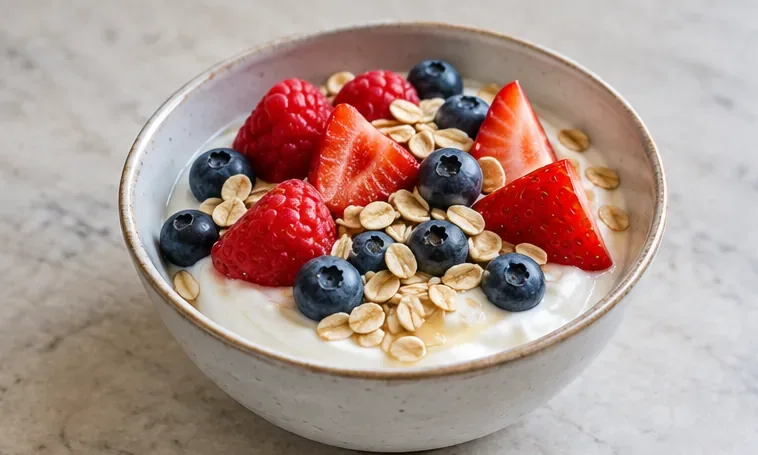
A bowl of yogurt with berries and oats is one cool, mild option when hot-food aromas are difficult.
Pasteurized milk, yogurt, cottage cheese, and cheese can add protein without the cooking smells that may set off nausea. Cold yogurt with fruit, a small glass of milk, or cottage cheese with crackers may be easier than a full meal. If dairy is not tolerated, fortified soy milk or soy yogurt may work; check the Nutrition Facts label because protein amounts vary widely among plant-based drinks and yogurts. Choose products made with pasteurized milk, as the U.S. Food and Drug Administration (FDA) pregnancy food-safety guidance advises avoiding unpasteurized dairy.
2. Make beans, lentils, peas, and soy the center of a small meal
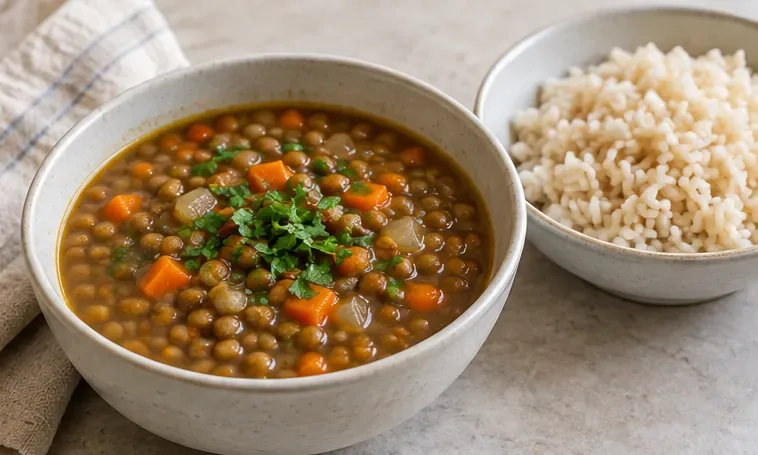
Lentil soup with rice shows how a mild bean-based dish can provide protein without meat or eggs.
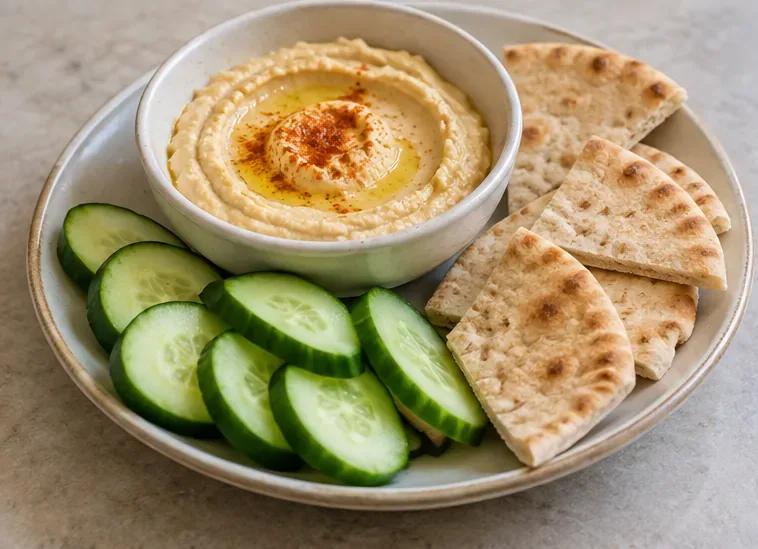
Lentils, chickpeas, black beans, peas, tofu, and edamame are useful alternatives. If a large serving feels heavy, start with a few spoonfuls in soup, spread hummus on toast, blend beans into a dip, or add a small amount of tofu to noodles or rice. Beans and lentils also contain fiber, which is nutritious but may feel uncomfortable for some people when nausea or bloating is active; smaller portions and different textures can be worth trying. If soy is a personal allergen or does not suit you, choose another tolerated option.
3. Add a small nut or seed portion to a food that already sounds good
Hummus with pita and cucumber is a small snack that combines chickpeas with an easy-to-pair grain.
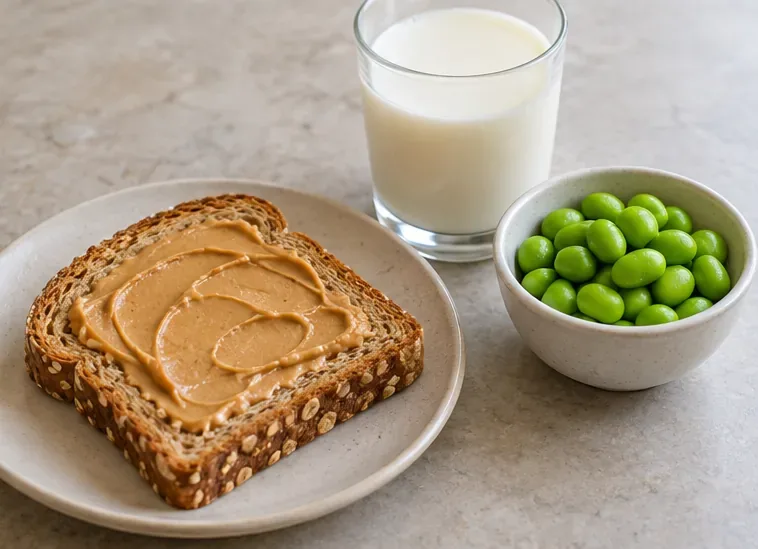
Peanut butter or another nut or seed butter on toast, crackers, oatmeal, or fruit can add protein in a compact portion. Chopped nuts, tahini, chia, or pumpkin seeds can be mixed into foods if their texture is comfortable. A small snack may be more manageable than a large serving when nausea is strongest. Avoid any food that triggers an allergy, and do not pressure yourself to eat a specific “superfood.”
4. Include fish only if it is appealing and follow pregnancy food-safety advice
Peanut-butter toast, milk, and edamame show how more than one small, meat-free protein choice can fit into a day.
If fish sounds acceptable, cooked fish can supply protein and other nutrients; it is optional, not a requirement for meeting protein needs. FDA and EPA guidance recommends 8 to 12 ounces per week of a variety of fish lower in mercury for people who are pregnant or breastfeeding. Choose fully cooked fish, and check the current fish advice for categories and local catch notices. People who do not eat fish can meet nutrient needs through other foods. Avoid raw or undercooked fish and follow local clinician guidance if you have specific health concerns.
Use small, flexible combinations instead of chasing one perfect meal
When nausea is active, it may help to eat small amounts more often, avoid smells or foods that reliably trigger symptoms, and use plain carbohydrate foods alongside a protein option. A few crackers with peanut butter, toast with hummus, yogurt with oats, or rice with a small serving of lentils are examples—not a required menu. Some people prefer cold foods or foods prepared by someone else; others do not. Keep fluids available and choose the pattern that is actually tolerable. The NHS guidance on pregnancy sickness suggests avoiding triggers and trying small, frequent, plain foods, while noting that approaches do not work the same way for everyone.
For a quick nutrition check, compare familiar serving sizes rather than trying to estimate every bite. The Mayo Clinic pregnancy nutrition table lists examples such as about 9 grams in one-half cup of cooked lentils, 7 grams in 2 tablespoons of peanut butter, and 8 grams in a cup of milk. Values vary with the product and portion, so use the package label when precision matters.
Food that may be easier than meat or eggs
Simple way to try it
What to check
Yogurt, milk, or cottage cheese
Serve cold with fruit, oats, or crackers
Choose pasteurized dairy
Lentils, beans, chickpeas, or tofu
Try a small portion in soup, rice, or a spread
Adjust portion and texture for comfort
Nut or seed butter
Spread on toast or crackers
Check allergens and label serving size
Fortified soy beverage or edamame
Drink chilled or add edamame to a tolerated meal
Compare protein on the nutrition label
Protein is only one part of the nutrition picture
Meat and eggs also provide nutrients such as iron, vitamin B12, and choline, but the best substitutes depend on the person’s whole diet. Beans and lentils provide iron; soy foods, dairy, nuts, and seeds can contribute protein and other nutrients. Prenatal vitamins are important but do not replace meals, and not every prenatal vitamin contains every nutrient in the same amounts. Tell the clinician if meat and eggs remain off the menu, if most foods are difficult to tolerate, or if the diet is vegan or highly restricted. They can review the prenatal supplement, food pattern, symptoms, and any need for individualized advice. Do not start high-dose supplements or protein powders without checking their ingredients with the prenatal care team.
Know when nausea needs medical care
Ordinary nausea can be unpleasant, but persistent vomiting can interfere with hydration and nutrition and may need treatment. Contact the obstetric clinician or maternity service promptly if you cannot keep food or fluids down for 24 hours, have very dark or scant urine, feel weak, dizzy, or faint when standing, have abdominal pain or a fever, vomit blood, or are losing weight. These are among the reasons the NHS advises seeking medical help for pregnancy sickness. The CDC Hear Her guidance treats severe nausea and vomiting as an urgent warning sign when it prevents drinking for more than 8 hours or eating for more than 24 hours, when fluids cannot be kept down, or when it comes with symptoms such as dizziness, fever, or confusion. Do not wait for a food plan to solve symptoms that are making it hard to stay hydrated.
For Maya, a practical next step is to keep a brief note of which foods stay down, approximate portions, fluids, vomiting, and weight changes, then share it at prenatal care. She can try one small alternative at a time and ask whether her personal protein and micronutrient needs are being met. Meat and eggs are not the only route to protein, but ongoing nausea, dehydration, weight loss, or a very limited diet deserves clinical support rather than self-blame.