Home
» Dentomaxillofacial
»
Why Jaw Pain Can Feel Like a Toothache, Earache, or Headache
Why Jaw Pain Can Feel Like a Toothache, Earache, or Headache
Jaw pain can feel like a toothache, earache, or headache because the jaw joint, chewing muscles, teeth, and nearby parts of the face are close together and can produce overlapping or referred pain. A temporomandibular disorder (TMD), tooth or gum problem, clenching or grinding, ear condition, or another cause may create similar sensations. Where pain is felt can offer clues, but it cannot identify the cause on its own.
Most jaw pain is not an emergency, but some patterns need prompt attention. This guide explains what may connect these symptoms, what details are useful to track, and when to seek urgent care. It cannot diagnose an individual or replace an examination.
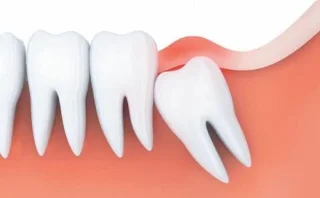
A clinician can ask what triggers jaw discomfort and examine the teeth, jaw, and nearby areas.
Why can pain in the jaw seem to come from a tooth, ear, or head?
The jaw joint—called the temporomandibular joint, or TMJ—sits just in front of each ear. Muscles that move the jaw extend across the cheeks and temples, while the teeth and gums share the same small region. Sensory pathways also overlap, so pain can be felt away from the structure that started it. Clinicians call this referred pain. A “toothache-like” or “earache-like” feeling is a description, not a diagnosis.
TMD is the name for a group of conditions affecting the jaw joints and the muscles used for chewing. The National Institute of Dental and Craniofacial Research (NIDCR) lists jaw or chewing-muscle pain, pain spreading to the face or neck, stiffness, limited or locked movement, and painful joint sounds among possible symptoms. Headache can occur with TMD. NIDCR also notes that mouth, jaw, or face pain may or may not be related to TMD, and other causes sometimes need to be ruled out.
Which patterns can point toward different causes?
Patterns can help a clinician decide what to examine, but none proves the cause. More than one problem can also be present at the same time.
What you notice
Why it may matter
Pain changes with chewing, yawning, opening wide, or clenching
Jaw-joint or chewing-muscle problems may be considered, especially with stiffness or tenderness.
Morning jaw soreness, tired muscles, tooth sensitivity, or worn/chipped teeth
Clenching or grinding (bruxism) can affect the teeth and jaw and may be linked with headaches.
Pain focused on one tooth, triggered by hot/cold food, biting, or accompanied by gum/facial swelling
A dental problem needs assessment by a dentist; swelling, fever, or a bad taste can occur with dental infection.
Ear pain with hearing change, drainage, fever, or tenderness when the outer ear is touched
An ear condition is one possibility; an ear examination may help distinguish it from pain referred from nearby areas.
Headache or temple discomfort along with jaw pain
Muscle or joint pain can overlap with headache, but new or unusual headache patterns deserve attention.
A painless click or pop alone is common and, according to NIDCR, does not usually require treatment. Painful clicking, a jaw that locks, or difficulty opening or closing the mouth is different and should be discussed with a clinician or dentist.
What details should you track before an appointment?
Write down a few specific observations rather than trying to name the condition. These details help a dentist or clinician compare jaw, dental, ear, and other possible sources.
Where it hurts: one or both sides; a particular tooth; in front of the ear; the cheek, temple, head, neck, or throat.
When it began and how it behaves: sudden or gradual onset, constant or intermittent pain, how long episodes last, and whether it is improving or worsening.
What brings it on: chewing, talking, yawning, opening wide, waking up, hot or cold foods, touching the area, or physical activity.
Other symptoms: fever, swelling, bad taste or drainage, ear symptoms, headache, visual changes, nausea, shortness of breath, or chest discomfort.
Relevant context: a recent dental procedure or injury, a new medicine, known teeth grinding, or a history of jaw, dental, ear, or headache problems.
Bring a current medication list and mention any recent injury or dental work. Avoid repeatedly testing a painful joint by opening as wide as possible; record what happens during ordinary activities instead.
When should you arrange dental or medical care?
Arrange a dental evaluation for ongoing or recurring tooth-like pain, pain with biting or temperature, a broken tooth, gum swelling, or a persistent bad taste. A suspected dental abscess needs urgent dental treatment; it does not reliably resolve without care. Contact a dentist promptly if facial or jaw swelling, fever, or worsening pain accompanies a tooth problem.
Contact a clinician or dentist if jaw pain is persistent, keeps returning, limits eating or speaking, follows an injury, or comes with a jaw that locks or a noticeable change in how your teeth meet. If ear pain is the main symptom, particularly with hearing changes or drainage, a clinician can examine the ear as well as consider nearby sources. The right starting point depends on the symptoms and what care is available; an urgent dental service or primary-care clinician can help direct you.
Which warning signs need urgent attention?
Possible heart attack: Call 911 in the United States (or your local emergency number) for jaw discomfort with chest pressure or pain, shortness of breath, sweating, nausea, faintness, or unusual weakness. Heart-related pain can spread to the jaw or teeth; do not wait to see whether it passes or drive yourself if you may be having a heart attack.
Possible spreading dental infection: Get emergency help for mouth, face, or neck swelling that makes it hard to breathe, swallow, speak, or open your mouth. Fever with worsening dental pain or swelling also warrants urgent dental or medical advice.
New headache and jaw pain with chewing: In adults over 50, a new severe headache or scalp tenderness with jaw pain while chewing can signal giant cell arteritis, a condition that needs urgent assessment. Sudden blurred, double, or lost vision is an emergency because vision can be permanently affected.
Significant injury or sudden loss of jaw function: Seek prompt care after major trauma, or if the jaw is stuck open or closed and you cannot restore normal movement.
These warning signs do not mean a specific diagnosis is present. They identify situations where delaying assessment could be unsafe. If symptoms feel severe or rapidly worsen, use local emergency services rather than relying on an online checklist.
What might an evaluation involve?
For a suspected TMD, NIDCR says there is no widely accepted standard test that diagnoses every case. Evaluation commonly begins with questions about the location and timing of pain, what makes it better or worse, whether it spreads, and any headaches or other pain conditions. The clinician or dentist may examine the face, head, neck, teeth, and jaw movement, and check for tenderness or painful sounds. Imaging such as an X-ray, MRI, or CT may be considered when the history and examination indicate it could help; it is not automatically needed for every jaw ache.
A dental examination can look for tooth decay, damage, gum problems, or infection. If symptoms suggest an ear or non-dental cause, assessment may involve another clinician. Ask: “What possibilities are you checking for?” “What did the exam make more or less likely?” “Would a test change the plan?” and “What should prompt me to seek care sooner?”
What can you do while waiting for care?
Follow advice from your own clinician or dentist, especially if you have a chronic condition, take prescription medicines, are pregnant, or have been injured. Avoid forcing the jaw through painful movement and do not start irreversible bite-changing dental work based only on a guess about TMD. NIDCR advises discussing benefits, risks, and alternatives before treatments that permanently alter the teeth, bite, or jaw joint. If symptoms are mild and no warning signs are present, note what aggravates them and arrange care if they persist or recur.
Reviewed September 30, 2026. Symptoms overlap, and this general article cannot determine the cause of any individual’s pain. A dental or medical examination is needed to make that assessment.