How to Quickly Distinguish Between Hypoglycemia and Hypotension

Many people often confuse hypoglycemia with hypotension, thinking that the two conditions are the same. However, the reality is the opposite—hypoglycemia and low blood pressure are completely different health issues. Understanding the differences can help you manage your health more effectively.

Are Hypoglycemia and Low Blood Pressure the Same?

To distinguish between low blood sugar and low blood pressure, you first need to understand the concepts and causes of these two conditions. Here’s an overview to help you recognize and differentiate them more easily.

What is Hypoglycemia?

Hypoglycemia occurs when blood sugar levels drop rapidly, falling below a safe level (less than 70mg/dL). It becomes life-threatening if levels drop below 55mg/dL. Common causes include:

  • Skipping meals or fasting for over 8 hours
  • Excessive alcohol consumption
  • Infections or illnesses
  • Side effects of medications
Hypoglycemia symptoms and causes

Hypoglycemia is when blood sugar levels drop below 70mg/dL.

What is Hypotension?

Hypotension, or low blood pressure, occurs when systolic blood pressure falls below 90 mmHg or diastolic pressure drops below 60 mmHg. It is more common than hypoglycemia and can affect people of all ages, especially pregnant women, the elderly, or those with chronic illnesses.

Key Differences Between Hypoglycemia and Hypotension

Aspect Hypoglycemia Hypotension
Definition Low blood sugar levels (<70mg> Low blood pressure (<90 0="">
Common Symptoms Hunger, trembling, rapid heartbeat, irritability, fatigue Dizziness, blurred vision, nausea, cold skin, fainting
Primary Causes Fasting, alcohol, infections, medications Dehydration, heart conditions, medications, hormonal imbalances

Symptoms of Hypoglycemia and Hypotension

Symptoms of Hypoglycemia

  • Hunger
  • Trembling limbs
  • Increased heart rate
  • Irritability and mood swings
  • Fatigue
  • Severe cases: Convulsions, fainting, coma

Hypoglycemia can also occur at night, causing symptoms like sweating, nightmares, and headaches.

Symptoms of Hypotension

  • Dizziness or light-headedness
  • Blurred vision
  • Nausea
  • Cold, sweaty skin
  • Difficulty concentrating
  • Severe cases: Fainting or falls

How to Prevent Hypoglycemia and Hypotension

Preventing these conditions involves similar lifestyle adjustments. Here are some effective strategies:

  1. Eat Regularly: Avoid skipping meals and eat small, balanced meals every 3-4 hours.
  2. Stay Hydrated: Drink 2.5–3 liters of water daily to maintain blood pressure.
  3. Limit Alcohol: Excessive alcohol can trigger both conditions.
  4. Exercise Moderately: Avoid intense workouts on an empty stomach.
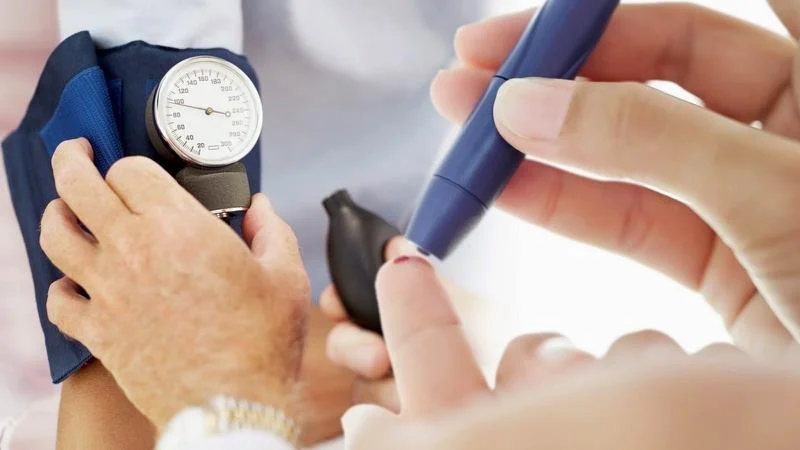
  5. Monitor Health: Regularly check blood sugar and blood pressure levels.

Additional Tips for Specific Groups

For Hypoglycemia: Diabetics should carry snacks or glucose tablets. Severe cases may require a glucagon injection kit.

For Hypotension: Change positions slowly to avoid dizziness. Avoid overtraining during exercise.

Conclusion

Understanding the differences between hypoglycemia and hypotension is crucial for proper health management. If you frequently experience symptoms of either condition, consult a healthcare professional for a thorough evaluation and personalized treatment plan. For more information, visit our guide on differentiating hypoglycemia and hypotension.

Leave a Comment

How to Quickly Distinguish Between Hypoglycemia and Hypotension

How to Quickly Distinguish Between Hypoglycemia and Hypotension

Learn how to differentiate between hypoglycemia and hypotension effectively. Understand their causes, symptoms, and prevention methods to manage your health better.

Ovarian cancer stage 3: Treatment and prognosis

Ovarian cancer stage 3: Treatment and prognosis

Ovarian cancer in the early stages often has few manifestations and symptoms are easily confused with digestive diseases, so most patients are detected at a late stage, usually stage 3. So ovarian cancer How is phase 3?

What causes tonsillitis at the base of the tongue? Know the symptoms and how to treat

What causes tonsillitis at the base of the tongue? Know the symptoms and how to treat

There are many diseases related to the respiratory system that are quite dangerous that patients should not be subjective. Among them, tonsillitis at the base of the tongue is often confused with common tonsillitis and is not focused on treatment. SignsSymptomsList will help you properly understand tongue tonsillitis.

How long does the pain reliever last? What are the side effects of pain relievers?

How long does the pain reliever last? What are the side effects of pain relievers?

Analgesics are used to treat pain that provide immediate, highly effective pain relief. Many people always wonder how long it takes to take pain relievers. SignsSymptomsList will send you detailed information about pain relievers.

Detailed information about the Superpath hip replacement technique

Detailed information about the Superpath hip replacement technique

Superpath hip replacement is a new technique in the treatment of hip osteoarthritis. Find out more advantages and notes after Superpath surgery in the following article.

Kidney failure grade 3: Symptoms, diagnosis and treatment methods

Kidney failure grade 3: Symptoms, diagnosis and treatment methods

The kidneys play the role of excreting water and waste products from the human body. When the kidneys are impaired, it will affect the excretion process of the kidneys, causing many different diseases related to the kidneys. In particular, grade 3 kidney failure is a serious condition and adversely affects health if not detected and treated promptly.

What are opioid pain relievers? Learn the effects and precautions when taking opioids

What are opioid pain relievers? Learn the effects and precautions when taking opioids

Opioid analgesics are among the common drugs used in the treatment of acute and chronic pain. With their powerful pain-relieving abilities, opioids have played an important role in improving the quality of life of millions of people worldwide.

Using reishi mushroom to treat uterine fibroids, should or not? Things You Shouldnt Miss

Using reishi mushroom to treat uterine fibroids, should or not? Things You Shouldnt Miss

In folk medicine, reishi mushroom is an unfamiliar name because it is a rare medicinal herb. Ganoderma lucidum cure uterine fibroids is also passed on by everyone and wants to be used as a precious medicine.

Signs of mercury poisoning that you need to know

Signs of mercury poisoning that you need to know

Usually, mercury poisoning builds up over time. However, an acute condition can still occur if you are exposed to large amounts of this mercury. Knowing the signs of mercury poisoning is one of the knowledge you need to equip to take measures to prevent mercury poisoning for yourself and your family.